
When the temperature drops and the days get shorter, many people pack away their sunscreen along with their summer clothes. It’s easy to assume that chilly weather means you can take a break from your daily sun protection routine.
However, the truth is that your skin needs protection from harmful sun rays all year long, even during the coldest winter months. Keep reading to learn why winter sun protection matters and how it can help you maintain healthy, youthful-looking skin throughout every season.
The Winter Sun Protection Myth

One of the most common skincare mistakes people make is believing that sunscreen is only necessary during warm, sunny summer days.
This widespread myth has led many people to skip their SPF during the fall and winter months, thinking the cooler temperatures mean less sun damage. The reality is that this seasonal approach to sun protection can cause significant harm to your skin over time.
Many people associate sun damage with hot weather, beach days, and obvious sunburns, but UV radiation doesn’t take a vacation just because the calendar changes. This misconception often stems from the fact that winter sun feels less intense on your skin. Without that immediate warming sensation or the risk of a visible sunburn, it’s natural to assume the sun isn’t doing any damage.
Unfortunately, the type of skin damage that leads to premature aging and skin cancer can occur without any obvious immediate signs. Your skin may be silently accumulating damage during those crisp winter walks or while driving in bright winter sunlight.
What Happens to UV Radiation in Winter?
While it’s true that UV radiation levels are generally lower during winter months, they’re definitely not absent. The sun continues to emit both UVA and UVB rays throughout the year, regardless of the season or outdoor temperature.
UVB rays, which are primarily responsible for sunburns, do decrease somewhat during winter months due to the sun’s lower angle in the sky. However, UVA rays, which penetrate deeper into your skin and cause long-term damage like wrinkles and age spots, remain fairly consistent year-round.
The sun’s angle and the atmosphere’s filtering effect do reduce overall UV intensity during winter, but this reduction isn’t nearly enough to eliminate the need for protection. Even at reduced levels, UV radiation can still cause significant damage to unprotected skin over time.
Weather conditions can also affect how much UV radiation reaches your skin, but not always in the way you might expect. While heavy cloud cover can block some UV rays, many still penetrate through and reach your skin.
Snow Reflection and Increased Exposure Risks
Here’s something that might surprise you: if you’re traveling to snowy destinations for skiing or winter vacations, snow can actually increase your UV exposure dramatically. Fresh snow reflects UV radiation, essentially creating a double dose of sun exposure for anyone spending time outdoors.
This reflection effect means that winter activities like skiing, snowboarding, or sledding can expose you to significantly more UV radiation than you’d experience on a grass-covered surface in summer. The combination of direct sunlight from above and reflected light from below creates an intense exposure situation.
Dr. Renee Kang, a board-certified dermatologist and Mohs surgeon at Golden State Dermatology in Carmel, explains the winter sun exposure risk:
“Many of my patients are shocked to learn that some of the highest UV exposures occur during winter sports and activities when they travel to mountain destinations. The combination of high altitude, snow reflection, and prolonged outdoor exposure creates a perfect storm for sun damage. I’ve seen patients develop significant sunburns and long-term skin damage from ski trips they assumed were safe. This is why I always recommend that my patients maintain their sun protection habits year-round, with extra attention when planning winter sports vacations.”
Mountain environments pose an additional risk because UV radiation increases with elevation. Even in our local California climate, winter sun can still cause damage through car windows during your daily commute or while enjoying outdoor activities on clear winter days.
While we may not deal with snow reflection locally, the winter sun still requires the same protection as any other time of year.
Cumulative Skin Damage Occurs Year-Round
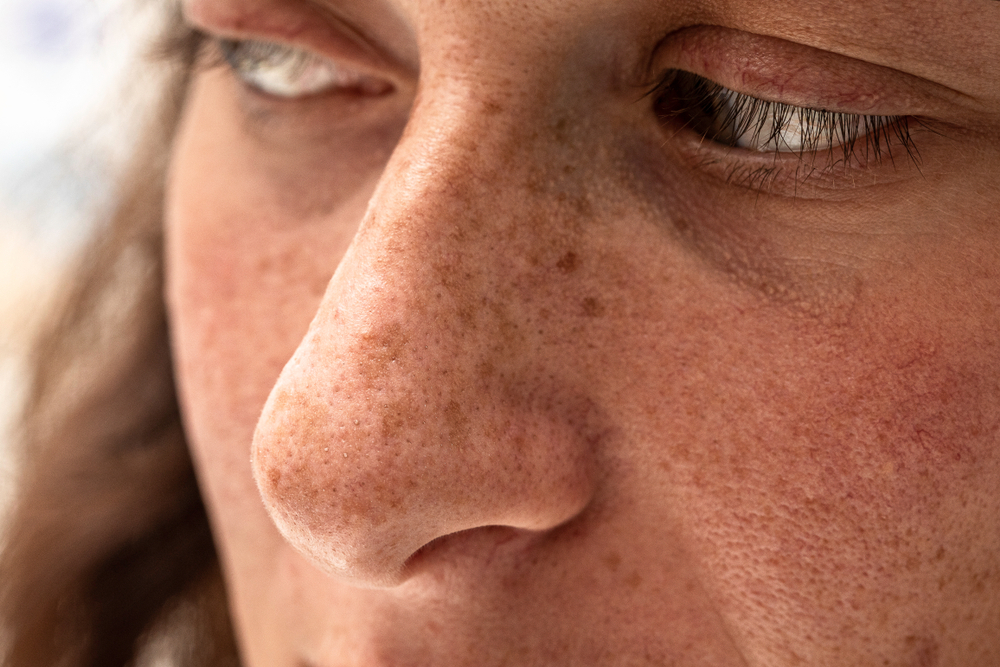
The most important thing to understand about sun damage is that it accumulates over time, regardless of when the exposure occurs. Every day of unprotected sun exposure adds to your skin’s total damage burden, contributing to premature aging and increasing your risk of skin cancer.
This cumulative effect means that skipping sunscreen for three or four months each winter can significantly impact your skin’s long-term health and appearance. The damage from winter sun exposure may not show up immediately, but it will contribute to wrinkles, age spots, and other signs of aging that appear years later.
Skin cancer risk also increases with cumulative UV exposure throughout your entire lifetime. The damage that leads to skin cancer can begin with seemingly minor exposures, including those brief winter moments when you think protection isn’t necessary.
Even small amounts of daily UV exposure can trigger the cellular changes that lead to skin aging and cancer development. This means that your short winter commute, weekend errands, or outdoor lunch breaks all contribute to your overall exposure risk.
Consistent daily sun protection can help prevent this cumulative damage from occurring. By maintaining your SPF routine throughout the winter, you’re investing in your skin’s future health and appearance.
Choosing The Right Winter Sunscreen
Not all sunscreens work equally well in cold weather conditions, so choosing the right product for winter use is important. Look for broad-spectrum sunscreens that protect against both UVA and UVB rays, with an SPF of at least 30 for daily use.
Winter weather can be harsh on your skin, so consider choosing a sunscreen that also provides moisturizing benefits. Many winter-friendly sunscreens contain hydrating ingredients that help combat the drying effects of cold air and indoor heating.
Marie Goh, PA-C, a certified physician assistant at Golden State Dermatology in San Ramon, offers practical advice for winter sun protection:
“I often recommend that my patients switch to a slightly richer, more moisturizing sunscreen formula during winter months. The cold air and indoor heating can really dry out your skin, so a product that provides both sun protection and hydration serves double duty. I also remind patients that areas like the backs of their hands, ears, and neck are often exposed even when bundled up, so these areas need just as much attention as their face. Many people forget that UV rays can penetrate through car windows during their daily commute, making morning sunscreen application essential even for indoor workers.“
Physical sunscreens containing zinc oxide or titanium dioxide can be excellent choices for winter because they provide immediate protection and tend to be less irritating to skin that might already be sensitive from cold weather exposure.
If you wear makeup, look for foundation or moisturizer products that include SPF protection. While these shouldn’t be your only line of defense, they can provide convenient additional protection for your face throughout the day.
If you have questions about your skin, schedule an appointment at Duncan Dermatology today!