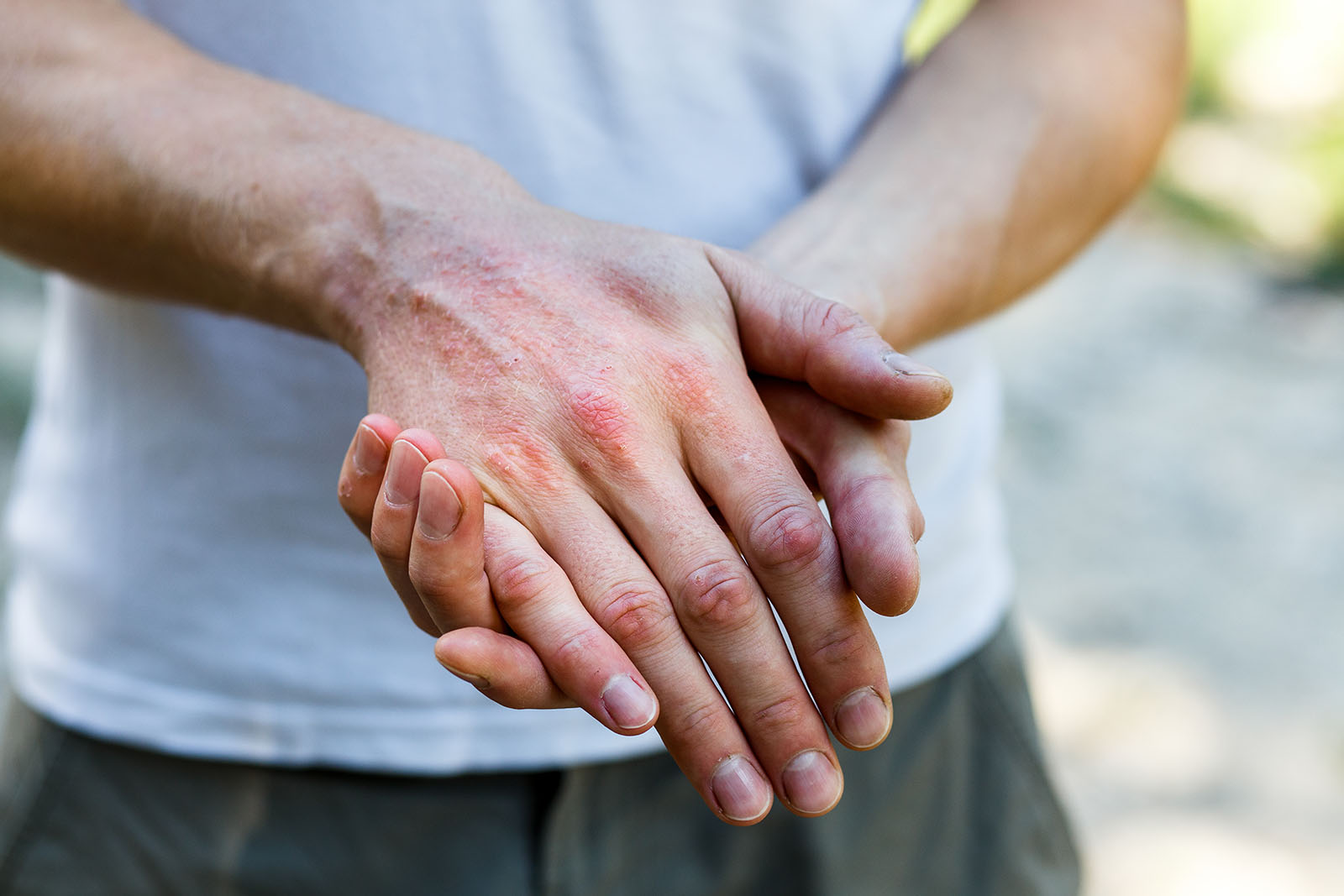
Few things are as discouraging as following every instruction, applying every cream, and still watching your skin flare again. Severe eczema disrupts sleep, focus, mood, and confidence, and many patients spend years cycling through treatments that take the edge off without ever solving the underlying problem. If that sounds familiar, you’re far from out of options. Keep reading to learn what to do when standard approaches for eczema fall short and where to turn for treatments that can finally make a difference.
What Makes Eczema Severe?
Severe eczema, also called severe atopic dermatitis, goes far beyond occasional dry patches or mild itching. Patients with this form of the condition often experience widespread inflammation, cracked and bleeding skin, persistent sleep disruption, and a significant impact on their quality of life. What makes severe eczema so challenging is that it involves deeper immune system dysfunction. Standard moisturizers and mild hydrocortisone creams may take the edge off, but they rarely calm the underlying inflammation driving the disease.
Why Eczema Treatments Might Stop Working
Many patients hit a wall where treatments that once worked seem to lose their effectiveness over time.
Several factors can contribute to this frustrating plateau. Inconsistent application, undiagnosed triggers, secondary skin infections, and a damaged skin barrier can all undermine even the best treatment plans.
Another common culprit is steroid tachyphylaxis, where the skin becomes less responsive to topical steroids after prolonged use. Identifying these obstacles is often the first step toward finding a more effective long-term strategy.
When is it Time to See a Dermatologist?
Knowing when to escalate your care can make a significant difference in your outcomes. If your eczema is interfering with sleep, work, relationships, or mental health, that’s a clear signal to seek specialist support.
Other red flags include flares that don’t respond to over-the-counter treatments, signs of infection like oozing or crusting, and worsening symptoms despite consistent care. A dermatologist can evaluate your specific case, identify hidden triggers, and recommend treatments that go beyond what’s available without a prescription.
Todd Anhalt, MD, a board-certified dermatologist at Golden State Dermatology in Los Altos, says,
“Severe eczema is a medical condition that deserves medical care, not just better lotions. When patients come in feeling defeated after years of failed treatments, we often find that they’ve never had access to the advanced therapies that are now available. The right combination of prescription treatments and lifestyle support can be life-changing for people who thought they were stuck.”
Advanced Prescription Treatments to Discuss With Your Provider
When standard creams and ointments aren’t enough, prescription and specialty treatments can open up new possibilities. The field of eczema care has evolved significantly in recent years, with several powerful options now available for moderate to severe cases.
Below are the categories of advanced treatments that your dermatologist may consider when building a plan for stubborn eczema.
Stronger Topical Prescription Options

Beyond standard hydrocortisone, dermatologists can prescribe stronger topical corticosteroids tailored to the severity and location of your eczema. These are designed to calm inflammation more effectively without the long-term thinning effects when used appropriately.
Other prescription topicals include calcineurin inhibitors like tacrolimus and pimecrolimus, which reduce inflammation without the side effects associated with steroids. Topical JAK inhibitors, such as ruxolitinib cream, are FDA-approved for mild to moderate eczema and can be a helpful addition to a severe eczema treatment plan when used on smaller, sensitive areas like the face or eyelids.
Biologic Therapies for Hard-to-Treat Eczema
Biologics represent one of the most significant advances in eczema treatment in decades.
These injectable medications target specific molecules in the immune system that drive inflammation, offering relief to patients who haven’t responded to other therapies.
Dupilumab was the first biologic approved for moderate to severe atopic dermatitis and remains a cornerstone treatment for many patients. Newer biologics like tralokinumab and lebrikizumab provide additional options for patients who need a different approach or who haven’t responded fully to dupilumab.
Oral Systemic Medications
For widespread or particularly resistant eczema, oral systemic medications may be the right fit. Oral JAK inhibitors, including upadacitinib and abrocitinib, work by blocking specific immune signals throughout the body and can lead to rapid improvement in itch and skin clearance.
Other systemic options, such as cyclosporine or methotrexate, have been used for years and may still play a role in certain cases. These medications require careful monitoring by a dermatologist, but they can be a game-changer for patients with extensive disease.
Lifestyle and Skin Care Habits That Support Treatment
Even the most advanced medications work better when paired with smart daily habits. Daily moisturizing with a thick, fragrance-free cream or ointment helps repair the skin barrier and lock in hydration.
Short, lukewarm showers, gentle cleansers, and soft cotton clothing can also reduce irritation. Identifying and avoiding personal triggers, whether that’s stress, certain foods, dust mites, or harsh weather, plays a major role in keeping flares under control.
Alana “Nikki” Flores, PA-C, a certified physician assistant at Golden State Dermatology in Carmel, says,
“I always remind my patients that consistency is the secret weapon against severe eczema, even the most effective biologic or prescription medication will deliver better results when you’re moisturizing daily, avoiding known triggers, and following your care plan closely. The treatments and the habits work together, and that combination is what creates lasting relief.”
Finding Real Relief Is Possible
If you’ve felt like nothing works, please know that severe eczema is more treatable today than ever before. With advanced prescription options, biologic therapies, and a thoughtful care plan, even the most stubborn cases can improve dramatically. The key is partnering with a dermatologist who understands the full range of available treatments and can tailor a plan to your unique skin. Relief may take time, but a customized approach can make a meaningful difference in how you look, feel, and live.
If you have questions about your skin, schedule an appointment at Duncan Dermatology today!